Fall is Proof: Reviewing a Wavy Retro Design
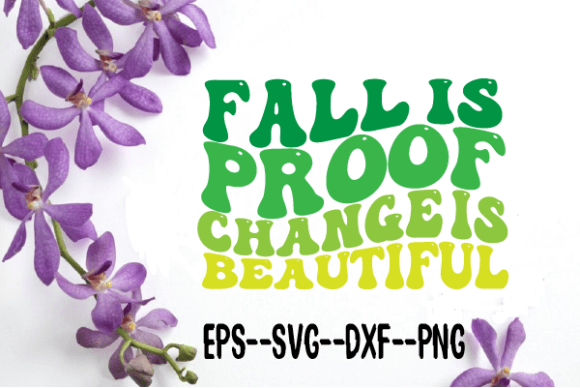
As an embroidery designer who has spent years digitizing patterns and testing them on everything from delicate baby onesies to heavy canvas tote bags, I approach every new graphic with a critical eye. We often see designs that look stunning on a screen but fail miserably under the needle. Today, I am evaluating Fall is Proof Change is Beautiful Wavy, a piece of digital art categorized under Crafts and Graphics, to determine its viability for real-world embroidery projects.
The first impression of this design is its mood. It captures that specific, nostalgic warmth of autumn without relying on cliché pumpkin imagery. The wavy, retro typography suggests movement and fluidity, which aligns perfectly with the theme of change. For those of us in the craft business, understanding the emotional resonance of a design is half the battle. This piece feels like it belongs on a cozy sweatshirt worn during a crisp morning walk or a decorative pillow that invites relaxation. However, aesthetic appeal is only part of the equation. The real question is: how does it translate to thread?
Visual Personality and Stitching Potential
The layout of Fall is Proof Change is Beautiful Wavy relies heavily on curved lines and organic shapes. In machine embroidery, curves can be tricky. If the digitization is poor, you end up with jagged edges or excessive pull compensation issues. Assuming this SVG sublimation design is converted or used as a reference for proper embroidery files, the wavy nature of the text offers a great opportunity to utilize satin stitch for smaller elements and fill stitch for larger, bolder sections.
When I visualize this on a custom apparel item, such as a crewneck sweatshirt, the retro vibe shines. The design does not appear overly dense, which is a positive sign for fabric texture. Heavy density can make garments stiff and uncomfortable, especially on items like baby clothes or lightweight t-shirts. A design that breathes allows the fabric to remain soft, enhancing the perceived value of the handmade product. For Etsy sellers and small shop owners, comfort is a key driver in repeat customer trust.
Real-World Application Scenarios
Let’s consider a practical scenario. Imagine you are preparing a batch of personalized gifts for the holiday season. You decide to create embroidered tote bags using a natural cotton canvas. The Fall is Proof Change is Beautiful Wavy design would sit beautifully on the front panel. The earthy tones typically associated with fall—burnt orange, mustard yellow, and deep browns—would contrast well against the neutral canvas.
Another strong use case is home decor. Picture this design stitched onto a linen pillow cover. The wavy text mimics the soft folds of the fabric, creating a harmonious visual experience. For boutique branding, this type of graphic works well for aprons in a bakery or coffee shop, adding a touch of artisanal charm without looking cluttered. It serves as both a decorative accent and a statement piece.
However, we must address the source format. The product description notes that you will get 1 DXF File and 1 EPS File. These are vector graphics formats, commonly used for cutting machines or sublimation printing, not native machine embroidery formats like PES or DST. As an experienced reviewer, I must emphasize that you cannot directly load an EPS file into most embroidery machines. You will need to use embroidery software to convert these vectors into stitch data, or use them as a template for manual digitizing. This step is crucial for maintaining the integrity of the wavy lines.
Navigating Technical Challenges
There are specific situations where Fall is Proof Change is Beautiful Wavy requires careful handling. First, consider hoop size. If you are working with a small 4x4 inch hoop, you may need to scale the design down significantly. When shrinking wavy text, the details can become lost. Tiny lettering in a cursive or wavy style often merges together when stitched, especially if the stitch density is too high. Always test the design on scrap fabric first to check for clarity.
Fabric choice is another critical factor. On stretchy fabrics like jersey knits, the wavy lines might distort if not properly stabilized. Using a cut-away stabilizer is recommended for garments that will be washed frequently. For textured fabrics like terry cloth or fleece, the fine details of the waves might get swallowed by the pile. In such cases, increasing the stitch width slightly or opting for a simpler applique design approach might yield better results.
Dark fabrics present their own challenge. If you are stitching light-colored thread on a dark navy or black garment, ensure your thread colors have enough contrast. A low-contrast combination can make the wavy text difficult to read from a distance. I always advise checking the design in black and white mockups before committing to thread spools. This helps identify potential visibility issues early in the design process.
Enhancing Product Value and Brand Consistency
For creative entrepreneurs and digital product sellers, the versatility of this design is a major asset. It fits seamlessly into the current trend of retro-inspired aesthetics. Using Fall is Proof Change is Beautiful Wavy in your portfolio can attract buyers looking for unique, meaningful gifts. Whether it is for wedding gifts, nursery decor, or holiday embroidery, the message resonates with a wide audience.
Professionalism in embroidery comes from consistency. If your brand focuses on cozy, heartfelt items, this design reinforces that identity. It shows attention to detail and an understanding of seasonal trends. When customers see a well-executed wavy text design, they perceive higher quality. It suggests that the maker took the time to ensure the stitches were smooth and the alignment was perfect.
Practical Designer Notes
Before launching this design in your small shop product line, take these steps:
- Verify Licensing: Confirm whether the license allows for commercial use of finished physical items. Since this is provided as a graphic file, ensure you have the rights to sell products made using this design.
- Digitize Carefully: If converting from EPS/DXF, pay close attention to underlay stitches. Proper underlay prevents shifting and ensures the top stitches lay flat.
- Test Stitch Density: Adjust the density based on your fabric. Lower density for stretchy materials, higher for stable woven fabrics.
- Check Thread Colors: Use a color chart to select threads that complement the fall theme. Consider variegated threads to add depth to the wavy lines.
- Mockup Variations: Create printable mockups showing the design on different products like mugs (via sublimation) and shirts (via embroidery) to showcase versatility to your customers.
In conclusion, Fall is Proof Change is Beautiful Wavy is a promising asset for designers willing to put in the technical work. It offers a blend of emotional appeal and visual interest that can elevate custom apparel and home decor. By respecting the technical requirements of embroidery and understanding the nuances of fabric interaction, you can transform this graphic into a standout finished product. Remember, the beauty of change is in the execution, so take your time, test thoroughly, and let the design shine.