Kitchens Are Made for Bringing SVG: A Designer’s Review
As a designer who has spent countless hours digitizing and testing embroidery files, I have learned that the difference between a mediocre product and a bestseller often comes down to the source file quality. When I first opened Kitchens Are Made for Bringing Svg, my initial reaction was one of cautious optimism. The phrase itself carries a warm, inviting energy that resonates deeply with home decor enthusiasts and culinary hobbyists. However, sentiment alone does not make a viable embroidery project. We need clean lines, logical color separation, and versatility. This review breaks down how this specific Graphics asset performs when translated from a digital screen to actual thread on fabric.
First Impressions and Visual Personality
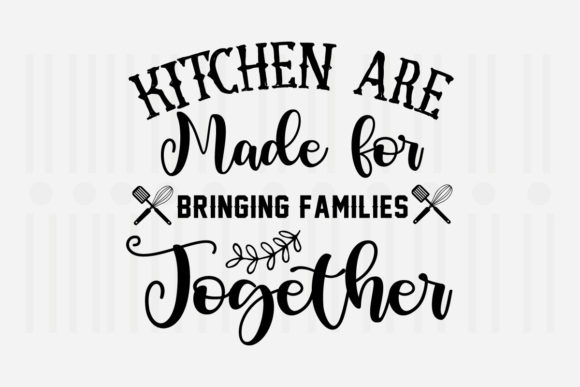
The design centers around a kitchen-themed quote, which is a perennial favorite in the Crafts category. What stands out immediately is the layout. It is balanced and legible, avoiding the cluttered aesthetic that plagues many free or low-quality SVGs. The typography feels modern yet approachable, creating a mood that is both stylish and cozy. For an experienced eye, the simplicity is a strength. Complex gradients and tiny details often fail in stitching, but this design relies on strong shapes and clear negative space. This suggests that it will translate well into a machine embroidery design without requiring excessive manual cleanup.
The fact that the file is described as "100 Color Changeable" is significant. In the world of digital assets, this usually means the layers are well-organized. For us, this translates to flexibility. We are not locked into a single aesthetic. We can adapt the thread colors to match seasonal trends, brand palettes, or specific customer requests. This adaptability is crucial for maintaining a cohesive look across a diverse product line.
Real-World Application: The Tote Bag Test
To truly evaluate Kitchens Are Made for Bringing Svg, I visualized it on a heavy canvas tote bag. This is a staple item for any Etsy seller or small shop product lineup. The design’s horizontal orientation fits perfectly across the front panel of a standard tote. Imagine using a creamy white thread on a natural cotton canvas. The contrast would be subtle but elegant, appealing to customers who prefer minimalist home goods. Alternatively, using a bold mustard yellow or sage green thread could make the piece pop as a statement accessory.
Beyond totes, this design shines on sweatshirt embroidery. A crewneck sweatshirt in heather grey with this quote stitched across the chest in a contrasting white or black creates an instant bestseller. The text is large enough to be read from a distance but not so massive that it overwhelms the garment. It strikes the right balance for custom apparel that people actually want to wear, rather than just store in a drawer.
Versatility Across Product Lines
The utility of this SVG extends far beyond apparel. Consider the following applications where this design adds tangible value:
- Kitchen Towels and Aprons: This is the most logical fit. Stitching this onto a waffle-weave towel creates a thoughtful personalized gift for housewarmings or weddings. The durability of the stitch pattern must be considered here, as these items undergo frequent washing.
- Embroidered Patches: By stabilizing the design properly, you can create iron-on patches. These are excellent for adding flair to denim jackets or backpacks, expanding your reach into the youth market.
- Pillow Covers: A linen pillow cover with this quote adds texture and personality to a living room. It works particularly well as part of a curated home decor collection.
- Holiday Embroidery: With minor color tweaks, this can become a festive gift item during the holiday season, appealing to those hosting dinner parties.
Technical Considerations for Stitching
While the visual appeal is strong, we must address the technical realities of turning an SVG into a stitched reality. Since the source files included are EPS or SVG, they are vector-based. This is excellent for scaling, but it does not automatically mean they are ready for embroidery machines. You will need to digitize this into an embroidery file format compatible with your machine, such as DST or PES.
When digitizing, pay close attention to stitch density. Kitchen towels and aprons are often made of thinner or textured fabrics. If the density is too high, the fabric may pucker or tear. If it is too low, the backing may show through. I recommend using a combination of satin stitch for smaller elements and fill stitch for larger areas, ensuring smooth transitions. For the lettering, a clean satin column usually provides the crispest edges, provided the letters are not too small.
Stabilizer choice is critical. For stretchy fabrics like sweatshirts, a cut-away stabilizer is non-negotiable to prevent distortion over time. For woven fabrics like tote bags or towels, a tear-away stabilizer might suffice, but testing is key. Always test the design on scrap fabric first. Check how the threads interact with the fabric texture. Some threads may fray more easily on loose weaves, affecting the clarity of the final finished product.
Navigating Potential Pitfalls
There are scenarios where caution is advised. If you plan to use this on dark fabrics, ensure your digitizing includes an underlay stitch to prevent the background color from peeking through. Also, be mindful of hoop size. While the design is scalable, stretching it too thin on a small hoop can distort the proportions of the letters. Conversely, making it too large on a curved surface like a cap may cause registration issues. For caps, consider breaking the design into smaller segments or using an applique design technique if the text becomes too dense.
Another consideration is the "tiny lettering" trap. If you scale the design down for a small item like a baby onesie, ensure the smallest strokes are still wide enough for your needle to pass through without breaking threads. If the original SVG has very fine hairlines, you may need to thicken them slightly during the digitizing process.
Commercial Value and Brand Consistency
For craft business owners, consistency is king. Using a high-quality source file like Kitchens Are Made for Bringing Svg helps maintain professional standards. When customers see clean, well-stitched designs, their trust in your brand increases. This design allows for easy customization, meaning you can offer variations without starting from scratch each time. This efficiency boosts your profit margins and allows you to respond quickly to market trends.
Moreover, the ability to create printable mockup images using the SVG before stitching saves time and resources. You can present multiple color options to clients digitally, securing orders before you even thread the machine. This is a powerful workflow for digital product sellers and custom shops alike.
Final Verdict
Kitchens Are Made for Bringing Svg is a robust asset for any designer’s library. It offers the flexibility needed for diverse projects, from baby embroidery to boutique home decor. Its strength lies in its clean geometry and emotional resonance. However, its success depends entirely on your digitizing skills and material choices. Treat it as a foundation, not a final product. Test your tensions, choose your stabilizers wisely, and respect the limitations of your fabric. Done correctly, this design can become a cornerstone of your commercial embroidery offerings, driving engagement and sales through its timeless appeal and practical versatility.
Before launching any new product line with this design, always confirm the licensing terms provided with the source file. Ensure that your intended use, whether for physical goods or digital resale, aligns with the creator’s permissions. This due diligence protects your business and ensures you can sell your handmade product with confidence.