Review: Save Our Earth There is No Planet T-shir
As a designer who has spent countless hours digitizing and stitching out typography for clients, I approach every new machine embroidery design with a mix of curiosity and caution. Typography is notoriously tricky in embroidery; what looks crisp on a screen can become a tangled mess of thread breaks and puckering if the digitizing isn’t precise. Recently, I evaluated the Save Our Earth There is No Planet T-shir graphic to determine its viability for real-world production. This isn’t just about whether it looks good in a preview window; it’s about how it performs under the needle when you are trying to build a reputable craft business or create a meaningful personalized gift.
First Impressions and Visual Personality
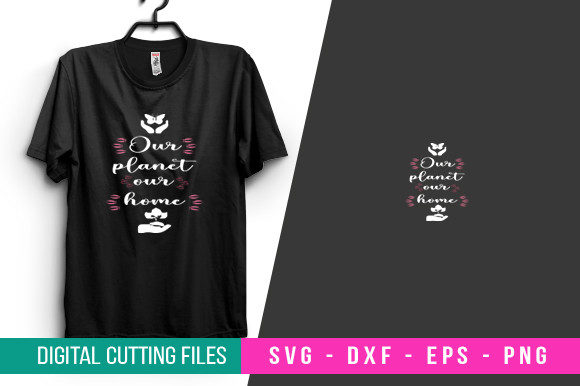
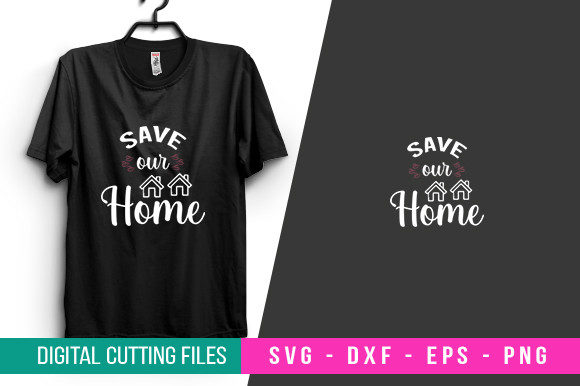
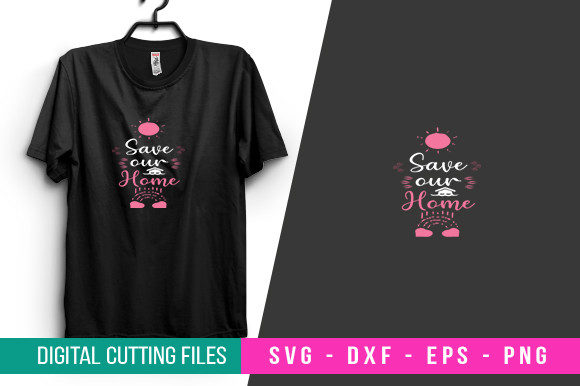
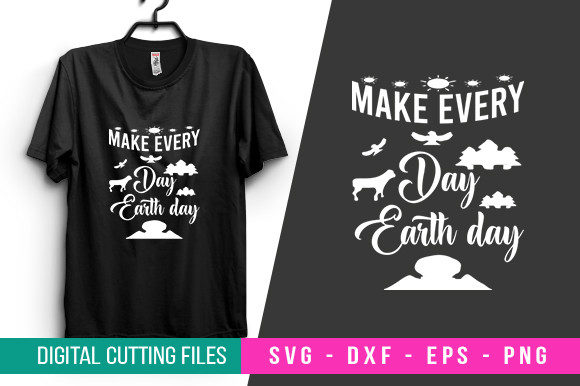
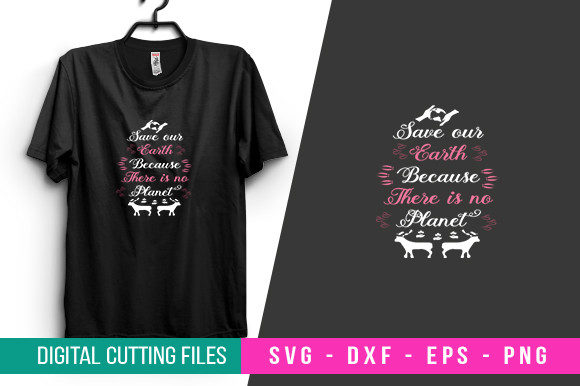
The immediate appeal of this design lies in its urgency and clarity. The phrase "Save Our Earth, There Is No Planet B" (often stylized in various typographic arrangements) carries a strong environmental message that resonates with modern consumers. In the context of Graphics and digital assets, the layout appears balanced, likely utilizing a mix of bold sans-serif fonts for impact and perhaps a handwritten script for emphasis, depending on the specific version within the file pack.
For an embroidery reviewer, the mood is serious yet hopeful. It feels appropriate for eco-conscious branding, nature-themed boutiques, or educational projects. The visual personality suggests durability and strength, which aligns well with the medium of embroidery. Unlike delicate lace patterns, this design demands presence. It belongs on items that are used daily and washed frequently, reinforcing the message through longevity.
Real-World Application: The Tote Bag Test
To truly understand the value of an embroidery file, I mentally place it into a specific project scenario. Imagine a local zero-waste shop commissioning a batch of reusable canvas tote bags. This is where Save Our Earth There is No Planet T-shir shines. Canvas provides the necessary stability for larger text designs, allowing the stitches to sit flat without sinking into the weave.
In this scenario, the design would likely be stitched using a combination of satin stitch for smaller accent words and fill stitch for the main bold lettering. The contrast of bright green or ocean blue threads against natural beige canvas creates an instant visual hook. For an Etsy seller, this kind of small shop product has high perceived value because it combines utility with advocacy. Customers aren’t just buying a bag; they are buying a statement piece that reflects their values.
Beyond tote bags, this design translates well to sweatshirt embroidery. A crewneck sweatshirt in heather grey or forest green serves as an excellent backdrop. The texture of the fleece requires careful attention to stitch density, but if the digitizing is sound, the result is a professional-looking garment that rivals retail brands. It also works beautifully for custom apparel lines focused on sustainability, offering a unique alternative to printed graphics that crack over time.
Navigating Technical Challenges
While the design is strong, there are areas where caution is necessary. Typography designs often suffer from "bridging" issues, where long spans of satin stitch lose tension and snag. If this design includes large, uninterrupted letters, you must check the stitch density and underlay settings. Without proper underlay, the fabric may show through, ruining the legibility of the message.
Another critical consideration is hoop size. Depending on the layout, this design might require a 5x7 or even a 6x10 hoop. Attempting to shrink it down for a small left-chest logo on a polo shirt could render the text illegible. Tiny details and serifs may merge together if scaled down too aggressively. Therefore, this design is best suited for medium to large applications, such as back-of-shirt placements, full-front tote designs, or embroidered patch creations.
Fabric choice plays a pivotal role here. On stretchy fabrics like jersey knits, a heavy fill stitch can cause distortion. Using a cut-away stabilizer is non-negotiable in these cases to maintain the shape of the garment. Conversely, on textured fabrics like terry cloth towels, the intricate parts of the typography might get lost. In such cases, simplifying the design or increasing the stitch width might be necessary to ensure clarity.
Enhancing Brand Value and Customer Trust
From a business perspective, the quality of your embroidery directly impacts customer trust. A poorly stitched design with loose threads or puckering suggests amateurism, while a clean, crisp execution builds brand loyalty. The Save Our Earth There is No Planet T-shir design, when executed correctly, elevates the perceived quality of the finished product.
For digital embroidery file sellers, providing this asset allows other makers to create high-quality handmade products without the hassle of digitizing complex typography themselves. It saves them time and reduces the risk of errors. For those selling physical goods, using a well-known, impactful quote can increase buyer engagement. People connect with messages that matter to them, and environmental consciousness is a powerful driver in today’s market.
This design also fits seamlessly into holiday embroidery collections for Earth Day or eco-themed gift guides. It adds versatility to a designer’s portfolio, allowing for cross-promotion across different seasons and causes. Whether used for baby embroidery on organic cotton onesies or corporate gifts for green initiatives, the adaptability of the message is a significant asset.
Practical Designer Notes
Before committing to a full production run, always test the design on scrap fabric that matches your final material. Check the thread color contrast; sometimes, what looks good on screen lacks definition in thread. Use a printable mockup to visualize the scale before hooping. If you are creating an applique design version, ensure the placement lines are accurate to avoid misalignment.
Verify the licensing terms included with the Crafts file. Most digital assets come with specific rules regarding commercial use. Ensure you are compliant before selling design assets or finished items. Additionally, inspect the file for any unnecessary jump stitches or dense clusters that could cause needle breaks. A little pre-stitch editing in your software can save hours of frustration later.
Ultimately, Save Our Earth There is No Planet T-shir is a compelling addition to any embroidery library. It offers a blend of aesthetic appeal and meaningful messaging that, when handled with technical care, results in stunning, marketable pieces. Whether you are a hobbyist making gifts or a professional decorator fulfilling bulk orders, this design rewards attention to detail with a high-impact final result.