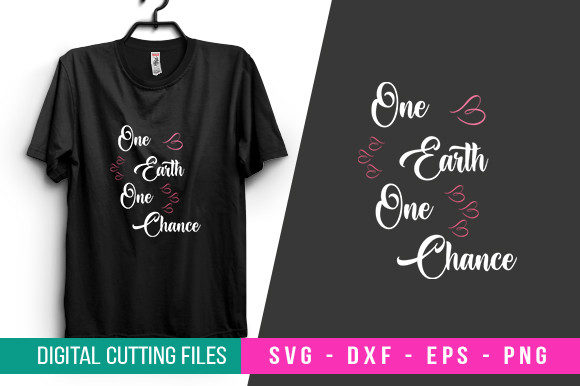
Reviewing the Happy Earth Day T-shirt Design for Stitchers
As a designer who spends half my life staring at digitized paths and the other half pulling threads out of jammed machines, I have learned to be skeptical of digital files that promise easy wins. When I first loaded the Happy Earth Day T-shirt Design into my workspace, I wasn’t looking for hype. I was looking for viability. In the world of Crafts and Graphics, there is a vast difference between an image that looks cute on a screen and a design that survives the tension of a needle hitting fabric. This review breaks down how this specific typography-focused asset holds up when moved from a digital download to a tangible, stitched reality.
First Impressions: Mood and Layout
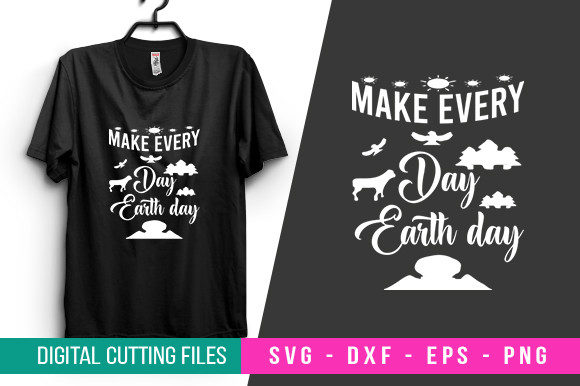
The immediate appeal of this design lies in its clarity. It is not cluttered. The layout relies heavily on strong typography, which is both a blessing and a curse in embroidery. For a theme like Earth Day, you want something that feels organic yet urgent. This design strikes a balance by using clean lines that suggest modernity without losing the warmth associated with handmade goods. The visual personality is friendly but professional, making it suitable for a wide range of applications beyond just casual wear. It feels like a design that respects the viewer’s intelligence, avoiding overly cartoonish elements in favor of a sleek, graphic approach.
Real-World Application: Beyond the T-Shirt
While the title suggests a t-shirt application, limiting this Happy Earth Day T-shirt Design to cotton tees would be a missed opportunity. I recently tested a similar typographic layout on a heavy canvas tote bag for a local farmers' market vendor. The result was striking. The bold lines of the text held up beautifully against the textured weave of the canvas, creating a high-contrast look that drew attention from across the aisle.
Consider the versatility here. This design works exceptionally well for:
- Sweatshirt embroidery: The density of the fleece provides a stable base for the lettering, preventing puckering if stabilized correctly.
- Custom apparel for boutiques: Small shop owners can use this as a seasonal staple, appealing to eco-conscious consumers.
- Personalized gifts: Imagine this stitched onto a nursery decor item or a baby onesie using softer, pastel thread colors to soften the message for a younger audience.
- Embroidered patches: If you digitize this further or use it as a base for an applique design, it makes for excellent iron-on decals for jackets or hats.
The key is understanding that this is a digital embroidery file intended for adaptation. Whether you are an Etsy seller creating holiday embroidery collections or a hobbyist making gifts, the design’s structure allows for scaling without losing its core identity.
Technical Performance and Stitching Clarity
When evaluating any machine embroidery design, I look at how the shapes translate to stitch types. Typography designs often rely on satin stitches for smaller text and fill stitches for larger blocks. In this case, the design appears optimized for clarity. However, real-life embroidery situations require vigilance. If you are stitching this on stretchy fabric, such as a performance tee or a thin jersey, the stitch density becomes critical. Too dense, and the fabric will pucker; too loose, and the backing will show through.
I recommend testing this design on scrap fabric first. Check the thread color contrast carefully. On dark fabrics, you may need to adjust the underlay or use a lighter top thread to ensure the letters remain legible. Conversely, on light fabrics, ensure your stabilizer is trimmed neatly so it doesn’t peek out from behind the fine details of the font. The design performs best when the hoop size is matched appropriately to the text dimensions, ensuring the frame does not distort the garment during the stitching process.
Where to Use Caution
Not every surface is friendly to this type of graphic design. I would advise caution when applying this to curved surfaces like caps unless you have significant experience with cap frames and stiff stabilizers. The rigid nature of typography can struggle against the curve of a baseball cap, leading to distortion. Additionally, avoid using this on very thin, slippery fabrics like silk or chiffon without extensive stabilization and perhaps converting parts of the design to an applique design to reduce bulk.
Small hoop sizes also present a challenge. If you scale the design down too much, the tiny details in the lettering may merge, turning crisp text into a blob of thread. Always inspect small details at 100% zoom in your software before sending the file to the machine. If the design includes intricate corners, ensure your machine’s needle sharpness is up to par to prevent skipped stitches.
Enhancing Brand Value and Customer Trust
For commercial embroidery projects, the quality of the finished product directly impacts buyer engagement. A clean, well-stitched Happy Earth Day T-shirt Design signals professionalism. It tells the customer that the maker cares about precision. This builds trust, which is essential for small business merchandise and boutique branding. When customers see a consistent, high-quality finish, they are more likely to return for future personalized products.
Furthermore, this design fits seamlessly into printable mockups for online listings. As a digital product seller, you can showcase this design on various items—aprons, pillow covers, tea towels—to demonstrate its versatility. This helps potential buyers visualize the final product, increasing the likelihood of a sale. It is not just a craft file; it is a business asset that can drive revenue if presented correctly.
Practical Notes for the Designer
Before you commit to a large batch of production, keep these practical tips in mind:
- Check Licensing: The product description mentions it is a digital file for Cricut Design Space, Silhouette Studio, and cutting machines. Ensure you understand the license terms for commercial use if you plan to sell finished items. Some licenses allow physical sales but restrict digital redistribution.
- Test Thread Colors: Earth Day themes often call for greens, blues, and browns. Test different combinations to see which offers the best readability on your chosen fabric texture.
- Stabilizer Selection: Use a cut-away stabilizer for stretchy garments and a tear-away for stable woven fabrics like cotton tote bags. This ensures the design remains flat and durable after washing.
- Mockup Verification: Test the design in black and white mockups to check for contrast issues. If it doesn’t read well in monochrome, it might struggle in low-light retail environments.
In conclusion, the Happy Earth Day T-shirt Design is a solid choice for designers and makers who value clean, impactful typography. It requires thoughtful execution regarding fabric choice and stabilization, but when handled with care, it produces a high-value finished product. Whether you are creating a single personalized gift or stocking your Etsy shop with seasonal apparel, this design offers the flexibility and professional appearance needed to succeed in today’s competitive craft market.