Reviewing Wishing You an Egg-cellent Easter Svg for Embroidery
As a designer who spends half my life digitizing and the other half stitching, I approach every new Graphics asset with a critical eye. We are not just looking for pretty pictures; we are looking for structural integrity, stitchability, and commercial viability. When I first pulled up Wishing You an Egg-cellent Easter Svg, my immediate reaction was one of cautious optimism. The pun is classic, the theme is evergreen for spring retail, but the real question is always how it translates from a vector screen to a textured fabric surface.
This review is not about whether the design is cute. It is about whether it works in the hoop. I evaluated this file with the intent of using it for a small batch of custom tote bags and toddler sweatshirts for a local boutique client. Here is my practical breakdown of how this design performs in real-world Crafts applications.
First Impressions and Visual Personality
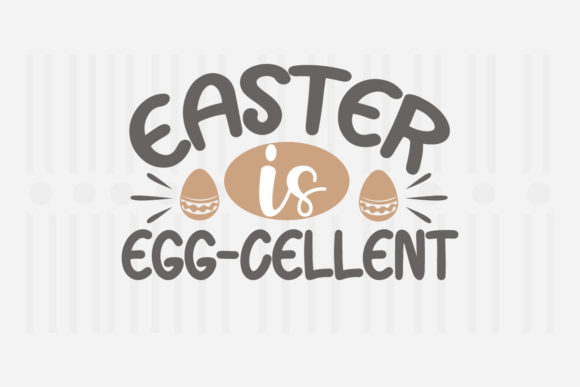
The mood of Wishing You an Egg-cellent Easter Svg is playful yet clean. It avoids the clutter that often plagues holiday designs, which is a significant advantage for embroidery. In machine work, less is often more. The layout suggests a balance between text and graphical elements that should hold up well without requiring excessive density. The visual personality is friendly and approachable, making it ideal for personalized gifts and handmade products aimed at families.
From a design perspective, the shapes appear distinct. This is crucial because blurred lines in a digital file become messy stitches on fabric. The clarity of the egg motif and the accompanying typography suggests that, with proper digitizing or conversion, the final embroidered patch will have strong definition. It feels like a design that belongs on a spring apron or a nursery decor item rather than a high-end formal garment, which helps set accurate customer expectations.
Real-World Application: The Tote Bag Test
To test the viability of this asset, I imagined applying it to a canvas tote bag. Canvas is a stable, medium-weight fabric that handles fill stitches well. The Wishing You an Egg-cellent Easter Svg would likely serve as a central focal point here. Because the design is described as having easy color changes, I could envision swapping traditional pastels for bold, modern hues to appeal to a younger demographic.
For a sweatshirt embroidery project, the stakes are higher. Knit fabrics stretch, and heavy designs can cause puckering. If this graphic is converted into a machine embroidery design with appropriate underlay and stabilizer, it could work beautifully on the chest or sleeve. However, one must be wary of large solid areas. If the egg shape is intended to be a solid fill, the stitch density must be managed carefully to prevent the fabric from distorting. A satin stitch border might provide a cleaner finish than a full fill, depending on the size of the hoop used.
Navigating Fabric and Hoop Constraints
Not every surface is created equal. While this design shines on stable cottons and canvases, it requires caution on textured fabrics or thin materials. If you are planning to use this on a baby embroidery project, such as a onesie, you must consider the comfort of the backside of the stitching. Dense areas can feel scratchy against sensitive skin. Using a soft cut-away stabilizer and ensuring the thread colors are high-quality polyester can mitigate this issue.
Curved surfaces, like caps or hats, present another challenge. The Wishing You an Egg-cellent Easter Svg needs to be scaled appropriately. If the text is too small, it may become illegible when stitched on a curved crown. I recommend testing the design in a 4x4 inch hoop before committing to a larger 5x7 inch frame. Always check the smallest details. Tiny serifs or intricate parts of the egg illustration might merge together if the stitch count is too high for the resolution of the machine.
Color Strategy and Commercial Appeal
One of the strongest selling points mentioned is that the file is 100% color changeable. For an Etsy seller or small shop owner, this is gold. It allows you to create variations without redesigning the entire asset. You can offer a pastel version for traditionalists and a vibrant, high-contrast version for modern buyers. When creating printable mockups or digital product previews, this flexibility lets you showcase the design on dark fabric backgrounds as well as light ones.
However, remember that screen colors do not always translate directly to thread colors. A bright yellow on screen might look muddy if stitched with a low-sheen rayon thread on a beige towel. I advise reviewing the design in black and white mockups first. This strips away the distraction of color and lets you judge the contrast and readability of the shape. If it looks good in grayscale, it will look good in color.
Practical Notes for the Embroidery Designer
Before you load this into your machine, take these practical steps to ensure a professional finished product:
- Test on Scrap Fabric: Never stitch a new design directly on the final garment. Use a similar weight and texture of scrap fabric to check for registration issues.
- Check Stitch Density: Since the source file is an SVG or EPS, you will need to digitize it or convert it for your specific machine. Pay close attention to the stitch density settings. Too dense, and the fabric puckers; too sparse, and the backing shows through.
- Verify Licensing: While the file is ready for print and personal use, always confirm the license terms for commercial embroidery projects. Ensure you have the right to sell finished items like embroidered patches or tote bag designs derived from this asset.
- Stabilizer Selection: Match your stabilizer to your fabric. Use tear-away for stable wovens and cut-away for knits or stretchy fabrics to maintain the integrity of the custom apparel.
- Thread Contrast: Ensure there is enough contrast between the thread colors and the fabric texture. Low contrast can make the design disappear from a distance, reducing its impact as a boutique branding element.
Final Verdict on Usability
Wishing You an Egg-cellent Easter Svg is a versatile asset for the right project. It is not a one-size-fits-all solution, but it is a strong foundation for holiday embroidery, personalized gifts, and small business merchandise. Its strength lies in its simplicity and adaptability. By paying attention to hoop size, fabric choice, and stitch density, you can transform this digital file into a high-value handmade product.
For craft business owners, this design offers a quick turnaround for seasonal inventory. For hobbyists, it provides a fun, low-stress project that yields impressive results. Just remember that the quality of the final embroidered product depends less on the digital file and more on your preparation, stabilizer choice, and machine tuning. Treat this SVG as a starting point, not a finished guarantee, and you will find it to be a reliable addition to your design assets library.