Bubble Tea Clipart: A Designer’s Embroidery Review
As an embroidery designer who spends more time staring at stitch maps than actual fabric, I have developed a keen eye for what translates well from screen to needle. When I first encountered Bubble Tea Clipart, Boba Tea, Bubble Mi, my initial reaction was one of cautious optimism. The theme is undeniably trendy, tapping into the massive cultural wave of bubble tea enthusiasm. However, trendiness alone does not make a viable machine embroidery design. I needed to know if this graphic could withstand the mechanical realities of stitching while maintaining its charm in a handmade product context.
First Impressions and Visual Personality
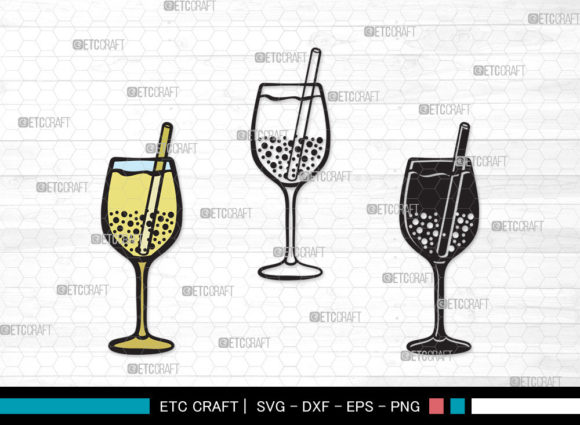
The visual personality of Bubble Tea Clipart, Boba Tea, Bubble Mi leans heavily into playful, modern aesthetics. The shapes are generally rounded and organic, which is a good starting point for embroidery because sharp, jagged corners often cause thread breaks or puckering. The mood it creates is youthful and energetic, making it an ideal candidate for custom apparel aimed at younger demographics or anyone with a love for quirky, food-inspired decor.
From a layout perspective, the design feels balanced. It does not appear overly cluttered, which is crucial when you consider how threads layer on top of one another. In the world of Crafts and Graphics, simplicity often wins in embroidery because complex details can get lost in the texture of the thread. This design seems to respect that boundary, offering enough detail to be recognizable without demanding impossible precision from a home embroidery machine.
Real-World Application: The Tote Bag Test
To truly evaluate this asset, I imagined a specific real-life scenario: creating a set of branded tote bags for a local café or a boutique gift shop. A tote bag design needs to be bold enough to be seen from a distance but simple enough to stitch quickly for profit margins. Using Bubble Tea Clipart, Boba Tea, Bubble Mi on a canvas tote would likely result in a high-impact visual. The rounded shapes of the boba pearls and the cup lend themselves well to fill stitch techniques, providing a solid, textured look that feels premium.
If I were producing these for an Etsy seller or a small shop product line, I would pair this design with a contrasting thread color to make the "bubbles" pop. For instance, stitching the cup in a neutral tone and the pearls in a deep brown or black using a satin stitch border could add definition. This approach enhances the visual appeal and ensures the design reads clearly even from across a craft fair table. It transforms a simple graphic into a tangible, tactile finished product that customers want to touch and buy.
Navigating Fabric and Hoop Constraints
While the design is promising, there are areas where caution is necessary. Embroidery is not just about printing ink; it is about manipulating fabric. If you plan to use Bubble Tea Clipart, Boba Tea, Bubble Mi on stretchy fabric like a jersey t-shirt or a baby onesie, you must be mindful of stitch density. High-density fills can cause lightweight fabrics to pucker or warp. I recommend using a cut-away stabilizer for these garments to provide long-term support.
Additionally, consider the hoop size. If the design includes any small text or intricate details alongside the main bubble tea graphic, ensure your machine can handle the resolution. Tiny elements often turn into messy blobs if the needle jumps too much. For caps or curved surfaces, the design might need to be simplified further. Curved surfaces distort stitches, so large, flat areas of fill stitch can sometimes look uneven. In such cases, converting parts of the design to applique design techniques could save time and improve the final look, especially for larger sweatshirt embroidery projects.
Commercial Viability and Brand Consistency
For creative entrepreneurs and digital product sellers, the versatility of this graphic is a major selling point. It fits seamlessly into various niches: holiday embroidery gifts, baby embroidery items, or even personalized gift tags. The key to maintaining brand consistency is how you adapt the colors. A pastel palette might suit a nursery decor item, while vibrant neon threads could work for a teen-focused embroidered patch.
However, before listing this as a commercial embroidery asset or using it in products for sale, you must verify the licensing. The product description mentions file formats like SVG, DXF, EPS, and PNG, which are typically used for cutting machines and print graphics, not necessarily native embroidery files. This is a critical distinction. If you are an embroidery designer, you will likely need to digitize this graphic yourself or convert it using specialized software. Always check if the license allows for commercial use of the derived embroidery file. Never assume that a graphic license transfers automatically to stitched goods.
Practical Designer Notes for Best Results
Before committing to a full production run, follow these practical steps to ensure quality:
- Test on scrap fabric: Always stitch out a sample on the same material you intend to use for the final product. This reveals issues with tension and density.
- Check thread contrast: View your design in black and white mockups. If the details disappear in grayscale, they will likely get lost in the stitch texture too.
- Review stitch types: Decide whether to use running stitch for outlines or satin stitch for borders. Satin adds shine but can snag; running is subtle but less durable.
- Inspect small details: Zoom in on the digital file. Are the boba pearls distinct? If they are too close together, merge them or increase spacing to prevent thread bunching.
- Confirm file compatibility: Since the provided files are SVG, DXF, EPS, and PNG, ensure your digitizing software can import these formats cleanly. You may need to trace the vectors to create a proper digital embroidery file.
Final Verdict on Stitching Potential
Bubble Tea Clipart, Boba Tea, Bubble Mi offers a strong foundation for modern embroidery projects. Its playful nature resonates with current trends, and its shape language is generally forgiving for stitchers. Whether you are creating a pillow cover for home decor or a custom apparel piece for a client, this design has the potential to elevate your craft business offerings. Just remember that successful embroidery lies in the adaptation. Treat the graphic as a starting point, not a final rulebook. Adjust your thread colors, respect your fabric texture, and always prioritize stitch clarity over complexity. With careful preparation, this design can become a staple in your portfolio of design assets, driving engagement and trust among your buyers.