Daddy Bunny Easter SVG: A Designer’s Stitch Review
As an embroidery designer who spends more time staring at stitch simulations than I do sleeping, I have developed a keen eye for what makes a digital file actually work in the physical world. We are constantly bombarded with design assets that look pristine on a screen but turn into a tangled mess under the needle. When I first loaded the Daddy Bunny,Easter SVG into my workspace, I wasn’t just looking for a cute holiday motif; I was looking for viability. Could this design hold up on a textured towel? Would it survive the wash cycle on a child’s sweatshirt? Here is my practical breakdown of how this graphic performs when translated from pixels to thread.
First Impressions and Visual Personality
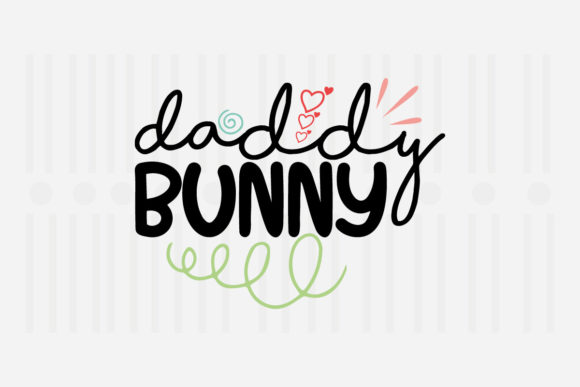
The immediate mood of the Daddy Bunny,Easter SVG is warm, playful, and distinctly seasonal without being overly cluttered. In the realm of Graphics and Crafts, simplicity is often the hardest thing to achieve. This design manages to convey character through clean lines and balanced spacing. For an embroiderer, this is promising. Complex, tiny details often get lost in fabric texture, but the bold shapes here suggest that the design will retain its clarity even when scaled down for smaller items like baby caps or pocket patches.
The layout feels intentional. It does not rely on excessive fine lines that might break during high-speed stitching. Instead, it offers solid areas that are perfect for fill stitch application, providing good coverage and a professional finish. The visual personality is friendly, making it an ideal candidate for personalized gifts and boutique branding where approachability is key.
Real-World Application: The Tote Bag Test
To truly evaluate a design, you have to imagine it on a real product. I envisioned this design centered on a natural cotton canvas tote bag design. Canvas is unforgiving; it shows every gap in stitching and every pull of tension. Because the Daddy Bunny,Easter SVG includes source files in EPS and SVG formats at 300dpi, I had the flexibility to adjust the scale before digitizing or printing.
For a tote bag, I would recommend using a heavy cut-away stabilizer to prevent puckering. The design’s open areas allow the fabric texture to breathe, which prevents the finished piece from feeling like a stiff cardboard patch. If you are creating a handmade product for an Etsy shop, this kind of durability matters. Customers expect their bags to carry groceries and books without the embroidery distorting. The bold nature of the bunny shape ensures that the image remains recognizable even from a distance, enhancing buyer engagement at craft fairs.
Versatility Across Apparel and Home Decor
Beyond totes, this design shines in custom apparel. Imagine it embroidered on the left chest of a heather grey sweatshirt. The contrast between the thread colors and the fabric would be striking. Since the product description notes that the color is easy to change and offers 100 color-changeable options, you can adapt the palette to match any brand identity or personal preference. For a spring collection, pastels work beautifully, but don’t shy away from high-contrast combinations for modern appeal.
For baby embroidery projects, such as onesies or burp cloths, the softness of the design is a major asset. However, caution is required. Babies have sensitive skin, so ensuring that the back of the embroidery is clean and free of scratchy trimmings is essential. Using a soft tear-away stabilizer and high-quality rayon or polyester threads can make the finished product comfortable against delicate skin. The design’s lack of extremely tiny, isolated elements reduces the risk of thread tails poking out, which is a common complaint in low-quality machine embroidery design work.
Navigating Technical Challenges
While the design is robust, no graphic is universal. There are specific scenarios where you need to proceed with care. If you are planning to use this on stretchy fabrics like jersey knits for t-shirts, you must use a hoop that supports the fabric adequately to prevent distortion. The hoop size should be chosen to minimize re-hooping if possible, as moving the fabric can shift the alignment of the bunny’s features.
Additionally, consider the stitch density. If you are converting this SVG into an embroidery file yourself, avoid over-packing the fill areas. Too much density on thin fabric will cause puckering, while too little on thick fleece will look sparse. Since the file provided is a vector graphic (SVG/EPS) and not a pre-digitized embroidery file, you have full control over this. This is a double-edged sword; it offers freedom but requires skill. If you are not a digitizer, ensure you partner with one who understands how to translate these clean vector lines into efficient satin stitch borders and balanced fill areas.
Dark fabrics present another challenge. If you are stitching on navy or black, you may need to add an underlay or use a lighter thread color to ensure the design pops. Testing the design in black and white mockups before committing to thread can save you from costly mistakes. Always check thread color contrast against your base material.
Commercial Viability and Brand Trust
For Etsy sellers and small business owners, the quality of your design directly impacts customer trust. A crisp, well-executed embroidery job signals professionalism. The Daddy Bunny,Easter SVG has the potential to elevate your small shop product lineup because it is versatile enough for various applications, from holiday embroidery on kitchen towels to year-round decor on pillow covers.
When selling personalized gift items, speed and consistency are crucial. Having a reliable design that stitches out cleanly reduces waste and returns. Before listing items made with this design, verify the licensing terms. While the file includes EPS and SVG formats suitable for commercial use in many contexts, always confirm whether the license covers selling physical finished goods or if it is restricted to personal use. This due diligence protects your craft business from legal issues.
Final Designer Notes
Before you run this design on your client’s expensive garment, follow these steps:
- Test on scrap fabric: Always stitch a sample on the same material and weight you intend to use for the final product.
- Check stabilizer compatibility: Match your stabilizer to the fabric type—cut-away for knits, tear-away for wovens.
- Inspect small details: Zoom in on the SVG to ensure there are no stray anchor points or broken paths that could confuse your digitizing software.
- Verify color changes: Use the 100 color-changeable feature to create a palette that complements your brand, not just the default colors.
- Confirm licensing: Ensure you have the right to sell items made with this graphic, especially if you are using it for commercial embroidery projects.
In conclusion, the Daddy Bunny,Easter SVG is a strong contender for your spring inventory. It balances charm with technical practicality, offering a clean canvas for creative expression. Whether you are creating a printable mockup for your online store or stitching a one-of-a-kind embroidered patch, this design provides the flexibility and visual appeal needed to succeed in today’s competitive handmade market. Treat it with the respect it deserves in your workflow, and it will likely become a staple in your embroidery project library.