Reviewing But First Coffee Retro Wavy Svg for Embroidery
As a designer who spends half my life digitizing and the other half stitching, I have learned that not every graphic translates well to thread. We often see trendy Graphics in the digital space that look crisp on a screen but turn into a tangled mess under the needle. Recently, I evaluated the But First Coffee Retro Wavy Svg to determine its viability for real-world Crafts and commercial embroidery projects. While the product description highlights its use for sublimation on mugs and pillows, my focus was strictly on how this design performs as a machine embroidery design for apparel and home goods.
First Impressions and Visual Personality
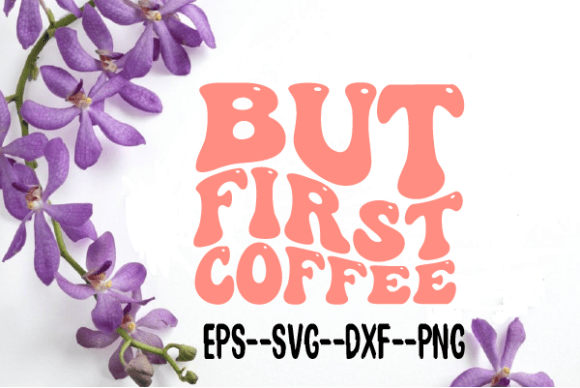
The immediate appeal of the But First Coffee Retro Wavy Svg lies in its nostalgic typography. The wavy, distorted lettering captures the current retro aesthetic perfectly, evoking a sense of warmth and casual comfort. For an embroidery project, this mood is invaluable. It suggests a relaxed, handmade quality that resonates with customers looking for personalized gifts or boutique-style merchandise. The layout is balanced, with the text flowing in a gentle arc that naturally guides the eye. However, from a technical standpoint, wavy text presents specific challenges regarding stitch direction and density that must be addressed before hooping.
Real-World Application: The Custom Tote Bag Scenario
To test the practical value of this design, I envisioned a common scenario for many Etsy sellers: creating a custom embroidered tote bag. Canvas is a sturdy fabric, but it has a visible weave that can interfere with fine details. I imagined placing the But First Coffee Retro Wavy Svg centrally on a natural cotton tote. The retro vibe pairs exceptionally well with earthy thread colors like mustard yellow, burnt orange, or deep espresso brown. In this context, the design acts as a strong focal point. It transforms a basic utility item into a stylish accessory, increasing the perceived value of the handmade product. Customers are more likely to engage with a product that feels curated and trendy, and this design delivers that visual punch without being overly complex.
Performance on Apparel and Textured Fabrics
When moving from tote bags to custom apparel, such as sweatshirts or t-shirts, the behavior of the design changes. On a fleece sweatshirt, the pile of the fabric can swallow small details. If the But First Coffee Retro Wavy Svg is used at a small scale, the wavy edges of the letters might lose definition. To counter this, I recommend using a higher density fill stitch or adding a subtle satin stitch border to define the edges against the textured background. On smoother fabrics like jersey t-shirts, the design will appear sharper, but you must be mindful of fabric stretch. Using the correct stabilizer is non-negotiable here to prevent puckering, especially since the wavy shape covers a wider area than standard block text.
Considerations for Small Hoops and Curved Surfaces
One critical aspect of using this design is hoop size. The wavy nature of the text means it has a wider footprint than straight text. If you are working with a small hoop size, such as a 4x4 inch hoop, you may need to scale the design down significantly. This introduces risk. Tiny lettering in a wavy format can become illegible if the stitch density is too high or if the thread thickness is too great. Additionally, applying this to curved surfaces like caps requires careful positioning. The distortion of the wave combined with the curve of the cap can make the text difficult to read if not centered perfectly. I advise creating a printable mockup or testing on scrap fabric before committing to a final finished product.
Enhancing Brand Consistency and Customer Trust
For small business owners and Etsy sellers, consistency is key to building brand trust. The But First Coffee Retro Wavy Svg offers a versatile asset that can be adapted across various product lines. Whether used for holiday embroidery on kitchen towels or as a year-round motif on baby embroidery items like onesies, the design maintains a cohesive look. This consistency helps customers recognize your brand style. When a buyer sees the same high-quality execution of a trendy design on a mug, a pillow, and a shirt, it reinforces the professionalism of your craft business. It shows that you understand current trends and have the technical skill to execute them properly.
Practical Designer Notes for Best Results
Before you rush to list this as a new digital embroidery file or start stitching client orders, consider these practical steps:
- Test on Scrap Fabric: Always stitch out the design on the same type of fabric you intend to use for the final product. This reveals any issues with thread colors blending or pulling.
- Check Contrast: Ensure there is enough contrast between the thread and the fabric. A dark thread on a dark fabric will hide the wavy details, reducing the impact of the design.
- Review Stitch Density: If you are digitizing this yourself from the SVG, adjust the density for the fabric weight. Heavy density on thin fabric causes puckering; low density on thick fabric looks sparse.
- Verify File Formats: The product description mentions DXF, EPS, and SVG files. Note that these are vector formats typically used for cutting or printing, not native embroidery machine formats. You will likely need to digitize the SVG into an embroidery file format compatible with your machine, or confirm if an embroidery-specific version is available.
- Confirm Licensing: Before selling commercial embroidery items, verify the license terms associated with the But First Coffee Retro Wavy Svg. Ensure you have the right to use the design for physical goods sold in your small shop product line.
Final Verdict on Design Utility
The But First Coffee Retro Wavy Svg is a strong candidate for modern embroidery projects when handled with technical care. Its strength lies in its emotional resonance and trendy aesthetic, which appeals to a broad audience of coffee lovers and retro enthusiasts. However, its success depends entirely on the executor’s attention to detail. By respecting the limitations of fabric texture, choosing appropriate thread colors, and ensuring proper stabilization, you can turn this simple graphic into a high-value personalized gift or best-selling tote bag design. It is not just a image; it is a tool for creating connection through craft. Use it wisely, test thoroughly, and let the quality of your stitching speak for itself.