Reviewing the Blessed Kwanzaa Retro Wavy SVG for Embroidery
As a designer who spends half my life digitizing and the other half stitching, I approach every new machine embroidery design with a healthy dose of skepticism. We have all been there: downloading a file that looks stunning on a screen but turns into a tangled mess of thread breaks and puckering on the hoop. Recently, I came across the Blessed Kwanzaa Retro Wavy Svg, and while it is marketed primarily as a sublimation and printable asset, my mind immediately went to how this aesthetic could translate into a high-quality stitched product for the upcoming holiday season.
First Impressions: Mood and Visual Personality
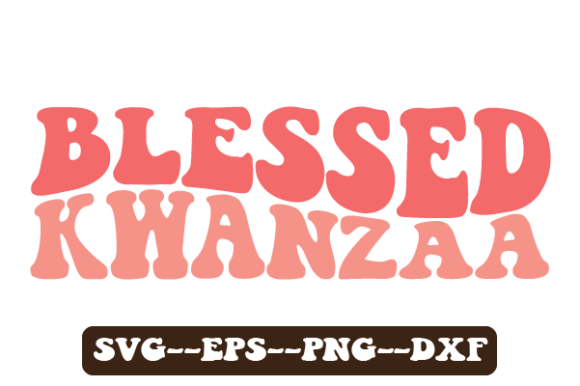
The first thing that strikes you about this design is its mood. It captures the warmth, community, and heritage of Kwanzaa without relying on clichéd or overly complex iconography. The "retro wavy" style suggests a seventies-inspired typography or layout, which is currently trending heavily in boutique fashion and home decor. For an embroidery project, this is promising. Simple, bold shapes often stitch out cleaner than intricate, multi-colored illustrations.
When evaluating this as a potential embroidery file source, I look at the lines. Are they smooth? Do they have enough weight to hold a satin stitch or a fill stitch? The wavy nature of the design implies movement. In a digital format like SVG, EPS, or DXF, these curves need to be precise. If you are planning to use this for a custom apparel piece, such as a family reunion sweatshirt or a boutique tote, the visual personality needs to read clearly from a distance. This design seems to offer that bold readability, which is crucial for commercial viability.
Real-World Application: From Screen to Stitch
Let’s imagine a real scenario. You run a small shop on Etsy, and you want to launch a line of holiday embroidery gifts. You decide on a heavy-weight canvas tote bag. The Blessed Kwanzaa Retro Wavy Svg would sit beautifully centered on the front. Because the design likely features bold text or strong graphic elements, it would pair well with a thick thread colors palette—perhaps deep reds, greens, and blacks, or even a monochromatic gold for a more upscale look.
However, we must address the file formats. The product description states you receive one DXF, one EPS, and one SVG file. These are vector graphics formats, commonly used for cutting machines, printing, and sublimation. They are not native embroidery files like PES or DST. This is a critical distinction for any Etsy seller or craft business owner. To use this in an embroidery machine, you must either manually digitize the SVG into an embroidery file using software like Wilcom or Hatch, or use an auto-digitizing feature if your software allows.
If you choose to digitize it yourself, pay close attention to the stitch density. Retro wavy fonts can sometimes have thin connections between letters. In embroidery, these thin bridges can break easily if not reinforced with proper underlay stitches. I recommend testing a sample on scrap fabric before committing to a final finished product.
Fabric and Hoop Considerations
Not every fabric behaves the same way. If you are applying this design to a sweatshirt embroidery project, the pile of the fleece can hide fine details. The bold nature of this retro design works in your favor here, as larger shapes do not get lost in the texture. Conversely, if you are aiming for a delicate baby embroidery item, such as a onesie, you must be cautious. The wavy elements might require a smaller hoop size to keep the design proportional, but shrinking it too much could cause the stitches to merge, losing the definition of the waves.
For curved surfaces like caps, this design might pose a challenge. The horizontal flow of a "wavy" design can distort when stitched over the crown of a hat. I would advise against using this specific layout for headwear unless you significantly alter the curvature during the digitizing process. It is far better suited for flat surfaces like tote bag design applications, pillow covers, or aprons.
Commercial Value and Brand Consistency
Why does this matter for your bottom line? Customers buy with their eyes, but they return for quality. A clean, well-stitched design builds trust. If you are creating a personalized gift or a handmade product for a client, the clarity of the text and the smoothness of the waves reflect your professionalism. The retro aesthetic appeals to a demographic that values both tradition and modern style, making it a versatile asset for your design assets library.
Using this SVG as a base for an applique design is another smart move. Instead of filling the entire shape with thread, you could cut fabric in the shape of the waves and text, then stitch around the edges. This reduces bulk, saves thread, and speeds up production time—a huge plus for small shop product makers during the busy holiday rush. It also adds a tactile dimension that customers love.
Practical Designer Notes
Before you launch this into your store, follow these steps to ensure quality:
- Test on Scrap Fabric: Always stitch a sample on the exact material you plan to sell. Check for puckering or thread breaks.
- Check Thread Contrast: Ensure your thread color stands out against the fabric. A dark thread on a dark fabric will render the "wavy" detail invisible.
- Verify Licensing: Since this is sold as a graphic asset (SVG/EPS/DXF), confirm whether the creator allows you to sell physical items made from designs you digitize from their files. Most craft licenses allow this, but always read the terms.
- Use Proper Stabilizer: For stretchy fabrics like t-shirts, use a cut-away stabilizer to prevent the design from distorting after washing.
- Inspect Small Details: If the SVG has tiny decorative elements, consider removing them in your digitizing software to improve stitch reliability.
Final Verdict
The Blessed Kwanzaa Retro Wavy Svg is a strong candidate for your next embroidery project, provided you understand the workflow. It is not a plug-and-play embroidery file, but rather a high-quality graphic source that offers creative freedom. For designers who know how to digitize or work with applique, this asset provides a trendy, culturally rich foundation for commercial embroidery goods. Whether you are making custom apparel, home decor, or gifts, the key lies in respecting the material limits and ensuring your stitch execution matches the bold confidence of the design. With careful preparation, this retro wave can become a standout piece in your holiday collection.