Reviewing One Lucky Uncle SVG for St. Patrick’s Embroidery
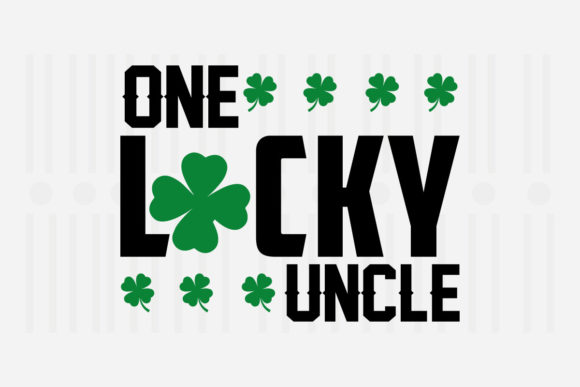
As a designer who spends half my life staring at digitized paths and the other half pulling threads out of jammed machines, I approach every new machine embroidery design with a healthy dose of skepticism. We have all been there: you buy a cute graphic online, load it onto your hoop, and watch in horror as the satin stitches pull the fabric into a puckered mess or the tiny details disappear under the weight of the thread. That is why when I came across One Lucky Uncle, St. Patrick s Svg, I did not just look at the preview image. I looked at the structure, the potential pitfalls, and the real-world application for my craft business clients.
This particular piece falls under the broad categories of Crafts and Graphics, but for us embroidery professionals, it represents something more specific: a test of versatility. The product description highlights that this is an SVG Quote designed for t-shirts, posters, and mugs, with source files in EPS or SVG format. While these are primarily vector graphics formats used for cutting machines and printing, they serve as the foundational blueprint for any serious embroidery project. Before you can stitch it, you must understand how these shapes translate from a flat digital design asset to a textured finished product.
First Impressions and Visual Personality
The mood of One Lucky Uncle, St. Patrick s Svg is playful yet grounded. It does not rely on overly complex shamrocks or leprechauns that require thousands of stitches. Instead, it leans into typography and simple iconography. This is crucial for embroidery. Complex illustrations often fail on home machines because the stitch density required to render fine details can distort lightweight fabrics. A design that focuses on bold lines and clear shapes, like this one, is far more likely to succeed across various materials.
When I visualize this design, I see it working best as a statement piece. It is not background noise; it is the focal point. The "lucky" theme resonates deeply during the St. Patrick’s Day season, but the "Uncle" angle gives it a niche appeal. It is perfect for personalized gifts where the recipient feels seen and celebrated. For an Etsy seller or small shop owner, this specificity is gold. Generic "Happy St. Patrick's Day" shirts are everywhere. A shirt that says "One Lucky Uncle" targets a specific buyer looking for a thoughtful, personalized gift for a family member.
Real-World Application: The Tote Bag Test
To truly evaluate a design, I imagine it on a specific item. Let us say I am preparing a custom order for a local boutique. They want a run of canvas tote bag designs for their March promotion. Canvas is a sturdy fabric, which is forgiving for beginners, but it has a distinct weave. If I were to digitize this SVG for embroidery, I would need to consider how the text interacts with the fabric texture.
Because the source file allows for easy color changes, I can experiment with thread choices without altering the shape. For a canvas tote, a thick cotton thread in emerald green against a natural beige bag would pop beautifully. However, if I were using this for sweatshirt embroidery, the approach changes. Sweatshirts are thick and fuzzy. Fine details get lost. Fortunately, the bold nature of this quote suggests it would hold up well on fleece or French terry, provided the lettering is not too thin. I would recommend using a slightly heavier weight thread or adjusting the satin stitch width to ensure the letters remain legible against the plush background.
Navigating Technical Challenges
While the design concept is strong, the transition from a vector digital embroidery file to a stitched reality requires caution. Since the product provides EPS and SVG files, you will likely need to use embroidery software to convert these vectors into a stitch file (like PES or DST) unless you are using a machine that accepts direct vector input, which is rare. During this conversion, pay close attention to the corners of the letters. Sharp angles in an SVG can become needle-breaking hazards if not properly underlaid with running stitch or tack-down stitches.
Another critical factor is the hoop size. If you plan to use this on a cap or a baby item, you are working with limited real estate. On a curved surface like a baseball cap, large text can distort. I would advise testing the design on a scrap piece of similar fabric first. Check if the design needs to be scaled down. If you scale it down too much, the fill stitch areas might become too dense, leading to stiffness. Conversely, if the text is too small, the threads may merge, making the word "Uncle" unreadable. Always inspect small details at 100% zoom in your software before sending it to the machine.
Fabric and Stabilizer Considerations
The success of this project hinges on your choice of stabilizer. For a custom apparel piece like a t-shirt, which is stretchy and thin, a cut-away stabilizer is non-negotiable. It provides the necessary support to prevent the design from warping after washing. For a rigid item like a poster frame or a wooden sign (if you are using the SVG for printing rather than stitching), stabilizer is irrelevant, but for any textile application, it is the backbone of professionalism.
Also, consider the fabric color. The description notes "100 Color Changeable," which is excellent for mockups. However, in embroidery, thread color contrast is vital. If you are stitching white thread on a white shirt, the design will vanish. Use a contrasting backing or choose thread colors that stand out against the fabric texture. Dark fabrics require careful tension settings to avoid "bird nesting" or visible bobbin thread on the top side.
Commercial Viability and Brand Consistency
For commercial embroidery projects, consistency is key. If you are selling this as part of a collection, ensure that the font style and weight match your other designs. This helps build brand recognition. Customers trust shops that have a cohesive aesthetic. This design, with its clean lines and clear message, fits well into a modern, minimalist brand identity. It avoids the cluttered look that plagues many holiday-themed items.
Moreover, the versatility of the SVG format means you can use this same asset for printable mockup previews on your online store. You can show customers what the design looks like on a mug or a poster, even if you are only selling the embroidered version. This cross-platform utility increases the perceived value of the design assets you purchase. Just remember to verify the license terms. While the file is ready to print and change colors, always confirm whether the license allows for commercial sale of finished physical goods versus digital redistribution.
Final Verdict for Makers
One Lucky Uncle, St. Patrick s Svg is a solid candidate for your spring lineup. It is not just a graphic; it is a opportunity to create meaningful connections through handmade products. Whether you are creating an embroidered patch for a jacket, a baby embroidery piece for a onesie, or a festive kitchen towel, the key lies in preparation. Test your tensions, respect the fabric limits, and let the simplicity of the design shine. By treating this SVG as a starting point for thoughtful craftsmanship rather than just a file to be loaded, you elevate the final product from a simple commodity to a cherished keepsake.