Review: The Kitchen is the Heart of the Home SVG
As a designer who has spent countless hours digitizing and testing embroidery patterns, I approach every new machine embroidery design with a critical eye. It is not enough for a graphic to look good on a screen; it must translate seamlessly into thread, withstand the tension of the needle, and hold up under the scrutiny of a paying customer. Recently, I evaluated The Kitchen is the Heart of the Home Svg, a popular digital asset in the Crafts and Graphics category, to determine its viability for real-world production.
This review is written for fellow embroidery designers, small business owners, and Etsy sellers who need practical insight before committing this design to fabric. Whether you are creating custom apparel, boutique merchandise, or personalized gifts, understanding how a vector file behaves during stitching is crucial for maintaining professional standards.
First Impressions and Visual Personality
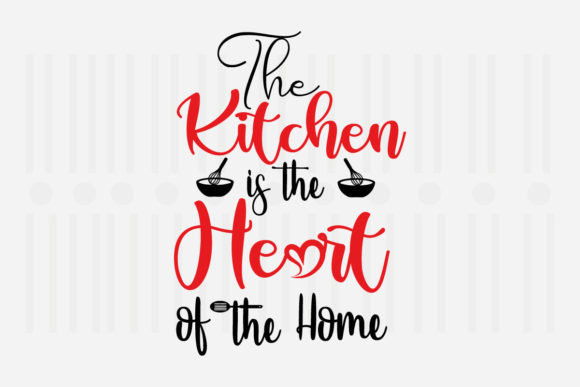
The immediate appeal of The Kitchen is the Heart of the Home Svg lies in its thematic warmth. The phrase itself evokes nostalgia and comfort, making it an ideal candidate for home decor and family-oriented products. Visually, the layout balances typographic elements with symbolic imagery, likely featuring a heart motif integrated with kitchen-related icons. For an embroidery project, this combination requires careful attention to detail. The mood is inviting, which suggests it would perform well on items meant to be touched and used daily, such as aprons or tea towels.
However, from a technical standpoint, the complexity of the design dictates its application. The description notes that the file is "Ready to print" and offers "100 Color Changeable" options via source files in EPS or SVG formats. This flexibility is excellent for digital mockups and printable crafts, but for embroidery, we must consider how these color changes translate to thread swaps. A design that relies heavily on subtle gradient shifts in a digital format may require simplification when converted into satin stitch or fill stitch patterns for machine execution.
Real-World Application: The Custom Tote Bag Scenario
To test the practical value of this design, I imagined a common scenario for a craft business owner: a client orders a set of personalized tote bags for a housewarming gift. The goal is to create a handmade product that feels premium and durable. Using The Kitchen is the Heart of the Home Svg as the central graphic, I assessed how it would look on a heavy canvas tote.
In this context, the design’s legibility is paramount. If the lettering is too thin, it may get lost in the texture of the canvas. If the heart element is too dense, it could cause puckering without proper stabilization. For a tote bag, a larger hoop size is typically used, allowing the design to breathe. The visual weight of the text needs to balance with the iconography. If the SVG allows for easy color changes, I would recommend using high-contrast thread colors against the natural beige or white canvas to ensure the message reads clearly from a distance. This enhances the finished product's visual appeal and increases perceived value.
Versatility Across Product Lines
Beyond tote bags, this design has potential across various embroidery project types. For sweatshirt embroidery, the softness of the fleece requires a different approach than canvas. Here, the design might benefit from a lighter stitch density to prevent stiffness. On a baby embroidery item, such as a bib or onesie, the scale must be reduced significantly. This is where the vector nature of the SVG is advantageous for resizing, but the embroiderer must manually adjust the stitch parameters to avoid tiny, fragile stitches that could unravel after washing.
For holiday embroidery projects, such as Christmas aprons or Thanksgiving table runners, the theme fits perfectly. The emotional resonance of the phrase aligns with seasonal gatherings. However, when applying this to curved surfaces like caps or hats, one must be cautious. The horizontal spread of the text might distort if not properly hooped with a strong backer. In these cases, testing a smaller version or simplifying the design to just the heart icon might yield a cleaner embroidered patch or direct stitch result.
Technical Considerations and Fabric Constraints
While the SVG format is versatile for digital embroidery file conversion, it is not a direct embroidery file like PES or DST. This distinction is vital for beginners. You cannot load an SVG directly into most embroidery machines without digitizing software. Therefore, the "Ready to print" claim applies primarily to sublimation, vinyl cutting, or paper crafts. For embroidery, you must either digitize the SVG yourself or purchase a pre-digitized version.
If you are digitizing this SVG, pay close attention to stitch density. Dense areas, particularly in the heart shape or bold lettering, can cause fabric distortion. Use a cut-away stabilizer for stretchy fabrics like t-shirts and a tear-away for stable woven fabrics like pillow covers. Always test the design on scrap fabric first. Check how the thread colors interact with the fabric texture. Dark fabrics may require an underlay stitch to prevent the background from showing through the design.
Small details are another concern. If the SVG includes intricate lines or tiny serifs in the font, these may not stitch out cleanly at smaller sizes. Simplify these elements or increase the overall size of the design to maintain clarity. For commercial embroidery runs, consistency is key. Ensure that your digitized version produces the same result on every item, minimizing thread breaks and reworks.
Enhancing Brand Value and Customer Trust
For an Etsy seller or small shop owner, the quality of the design directly impacts brand reputation. A well-executed The Kitchen is the Heart of the Home Svg embroidery can become a signature item. It signals attention to detail and care. When customers see clean stitches, balanced composition, and durable construction, their trust in your craft business grows. This leads to repeat buyers and positive reviews.
Use this design to create cohesive design assets for your marketing. Take high-quality photos of the embroidered item in a realistic kitchen setting. Show the texture of the thread and the precision of the edges. These visuals serve as powerful printable mockup alternatives for online listings, helping customers visualize the personalized gift in their own homes.
Final Verdict and Designer Notes
The Kitchen is the Heart of the Home Svg is a strong contender for home-centric embroidery projects, provided it is handled with technical care. Its emotional appeal is undeniable, and its versatility allows for use in various custom apparel and decor items. However, success depends on proper digitization and material selection.
- Test Before Production: Always stitch out a sample on the actual fabric you plan to use.
- Check Licensing: Confirm whether the SVG license allows for commercial use of finished physical goods. Most SVG licenses differ from embroidery file licenses.
- Adjust for Scale: What looks good on a poster may be too detailed for a small pocket embroidery.
- Stabilize Properly: Match the stabilizer to the fabric weight and stretch.
- Contrast Matters: Ensure thread colors stand out against the background for maximum readability.
By treating this SVG as a starting point for thoughtful digitization rather than a final solution, you can create high-quality, marketable products that resonate with customers. Whether for a small shop product line or a one-off personalized gift, this design offers a solid foundation for creative expression in the world of embroidery.