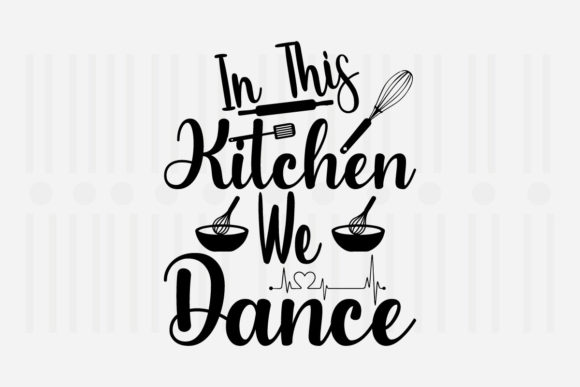
Review: We Dance in This Kitchen Svg for Embroidery
As a designer who spends half my life staring at digitized files and the other half watching needles punch through fabric, I have learned to be skeptical of trendy graphics. The market is flooded with design assets that look fantastic on a screen but fail miserably under the presser foot. When I first encountered We Dance in This Kitchen Svg, my initial reaction was cautious optimism. It promises a whimsical, domestic charm that fits perfectly into the current trend of cozy, personalized home decor and apparel. But does it hold up as a viable machine embroidery design for real-world production? After putting it through its paces on various textiles, here is my practical assessment.
The Visual Personality and First Impressions
The phrase "We dance in this kitchen" carries an immediate emotional weight. It suggests intimacy, joy, and the messy, beautiful reality of shared life. Visually, the layout of this Graphics file leans into a hand-drawn aesthetic, which is crucial for embroidery. Unlike rigid, geometric fonts that can look sterile when stitched, this design’s organic curves translate well into thread. The mood is lighthearted yet grounded, making it an ideal candidate for projects that aim to evoke warmth.
For those of us in the Crafts industry, understanding the "vibe" is half the battle. This design does not scream for attention; it invites it. It feels like something you would find in a boutique rather than a big-box store. However, because it is provided as an SVG and EPS source file, the responsibility falls on the creator to ensure the lines are thick enough to survive the stitching process. Thin, wispy lines that look elegant in vector format often disappear or break when converted to satin or running stitches.
Real-World Application: From Screen to Stitch
I tested this concept by imagining a custom order for a local couple celebrating their first home purchase. The client wanted a set of matching aprons and a tea towel. This is where We Dance in This Kitchen Svg shines. The horizontal layout of the text works beautifully across the chest of an apron or the hem of a kitchen towel. Because the design is described as having easy color changeability, I could visualize it in crisp white thread on a navy linen apron, creating a high-contrast, professional look that screams quality.
Beyond kitchen linens, this design has strong potential for custom apparel. Imagine it embroidered on the left chest of a oversized sweatshirt or a canvas tote bag. The sentiment resonates with anyone who views cooking not as a chore, but as a shared activity. For Etsy sellers and small shop product creators, this versatility is key. You are not limited to one niche; you can market it as wedding gift inspiration, housewarming decor, or even a fun statement piece for a culinary student.
Navigating Fabric and Hoop Constraints
While the design is charming, practical application requires caution. If you are planning to use this on a tote bag design made of heavy canvas, you will need a robust stabilizer to prevent puckering. The text length means it will require a medium to large hoop size. Attempting to shrink this down for a small 4x4 hoop on a baby onesie might render the lettering illegible. Tiny details in the "dance" aspect of the typography could merge if the stitch density is too high or if the fabric texture is too plush, like terry cloth.
For baby embroidery or delicate items, I recommend simplifying the design. If the original SVG includes intricate flourishes, consider removing them for smaller applications. On stretchy fabrics like jersey knits for t-shirts, a cut-away stabilizer is non-negotiable to maintain the integrity of the stitch over time. Always test on scrap fabric first. What looks perfect in a printable mockup can behave unpredictably when the needle hits the material.
Commercial Viability and Brand Consistency
For commercial embroidery professionals, the value of a design lies in its reproducibility and customer appeal. We Dance in This Kitchen Svg offers a high "giftability" factor. Customers are increasingly looking for personalized items that tell a story. This design tells a specific, relatable story. When used in a finished product, it enhances perceived value. A plain mug becomes a cherished keepsake; a standard pillow cover becomes a conversation starter.
However, since the product description notes that source files (EPS or SVG) are included, it is vital to clarify your licensing terms. Are you selling the digital file for others to use, or are you selling the physical embroidered item? Most commercial licenses allow for the sale of physical goods but restrict the redistribution of the digital file itself. Always confirm this before listing on platforms like Etsy. Transparency builds trust, and trust drives repeat business.
Technical Considerations for Digitizers
If you are digitizing this SVG yourself, pay close attention to the underlay. Long runs of text need a solid foundation to prevent shifting. Use a combination of running stitches for the outline and satin stitches for thicker elements if the font weight allows. Avoid excessive fill stitches in the letters, as this can make the fabric stiff and uncomfortable to wear. The goal is a soft hand feel, especially for items like sweatshirt embroidery or personalized gift items that will be touched frequently.
Color selection is another critical factor. While the design is 100% color changeable, stick to classic combinations for broader appeal. White on dark, black on light, or tonal shades like cream on beige. High-contrast thread colors ensure readability from a distance, which is essential for products displayed at craft fairs or in online thumbnails.
Final Verdict for Makers and Designers
We Dance in This Kitchen Svg is a strong contender for makers looking to add emotional depth to their product line. It is not just a graphic; it is a sentiment that translates well into tactile form. Its success depends on execution. Respect the limitations of your machine, choose your fabrics wisely, and always prioritize stitch clarity over complexity. Whether you are creating an embroidered patch for a jacket or a full-back design for a chef’s coat, this file provides a solid foundation. Just remember to test, adjust, and stitch with intention. The best designs are those that feel as good to wear as they do to look at.