Reviewing the Wavy Retro SVG for Embroidery Use
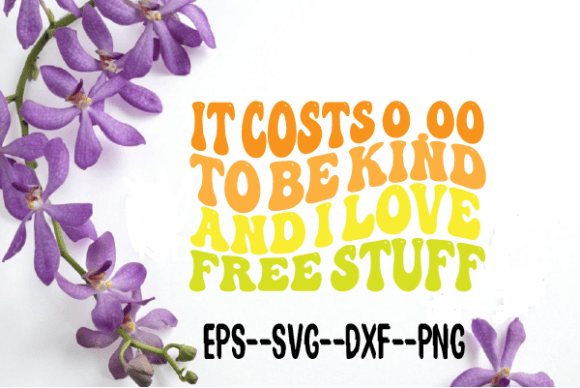
As a designer who has spent years translating digital vectors into thread, I approach every new machine embroidery design with a mix of curiosity and caution. The market is flooded with files that look stunning on a screen but fail under the needle. Recently, I evaluated the It Costs 0.00 Wavy Retro Svg Design. While the product description categorizes it primarily as a sublimation and printable asset within the Crafts and Graphics sectors, my interest lay in its potential adaptation for stitched projects. Can a vector intended for heat transfer hold up as a high-quality embroidery file? Let’s dig into the practical realities.
First Impressions: Mood and Visual Personality
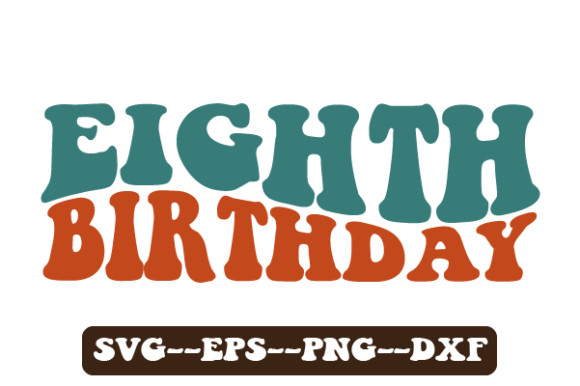
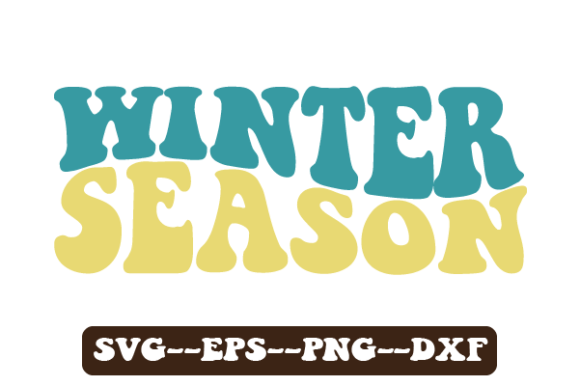
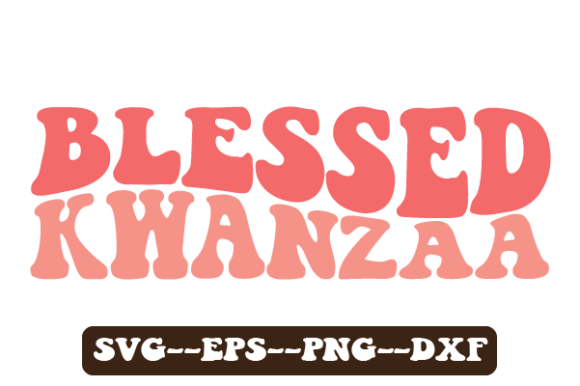
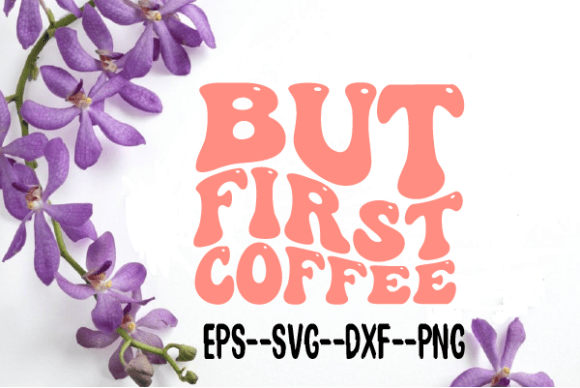
The first thing that strikes you about this design is its nostalgic energy. The wavy lines evoke a distinct seventies aesthetic, characterized by fluid motion and organic curvature. For an embroidery designer, this is both a blessing and a challenge. The lack of rigid geometric structures means the design feels approachable and fun, ideal for creating a relaxed vibe on a handmade product. However, the continuous curves require careful digitizing to avoid jagged edges or excessive thread breaks.
When I visualized this digital embroidery file on a mockup, it immediately suggested specific applications. It does not scream "corporate logo." Instead, it whispers "boutique branding" or "personalized gift." The visual personality is playful yet structured enough to maintain integrity when scaled. This makes it a strong candidate for custom apparel where the wearer wants to express individuality without overwhelming noise.
Real-World Application: The Tote Bag Test
To truly understand the value of any design assets, you must imagine them in a real-life scenario. I pictured using this wavy retro motif on a heavy canvas tote bag design. Canvas is forgiving, providing a stable base for various stitch types. If I were to digitize this SVG for embroidery, I would likely opt for a combination of satin stitch for the thicker waves and running stitch for finer details to keep the stitch density manageable.
Imagine a customer walking into a local craft fair. They are drawn to a natural-colored tote featuring this retro wave in muted earth tones—terracotta, sage, and mustard. The design acts as a focal point, enhancing the perceived value of the small shop product. Because the shapes are bold, they remain visible from a distance, which is crucial for retail environments. This is where the transition from a simple printable sublimation design to a textured embroidered patch or direct stitch can significantly boost the item's price point and durability.
Navigating Technical Challenges
While the aesthetic is appealing, we must address the technical constraints. The product listing notes that you receive DXF and EPS files. These are vector formats, excellent for scaling in sublimation or cutting machines, but they are not native embroidery formats like PES or DST. This means the Etsy seller or craft business owner must either digitize the file themselves or hire a professional digitizer. This is a critical distinction.
If you attempt to auto-digitize this SVG without manual adjustment, you risk issues with fabric texture interaction. On stretchy fabrics, such as those used for baby embroidery or athletic wear, dense fills can cause puckering. Therefore, understanding stabilizer selection is paramount. A cut-away stabilizer might be necessary for garments that undergo frequent washing, ensuring the finished product retains its shape.
Additionally, consider the hoop size. If you plan to place this on a sweatshirt embroidery project, ensure your machine can accommodate the width of the waves. Curved surfaces, like caps or rounded pillow covers, require even more precision. Small details in the waves might get lost if the hoop tension is too tight or if the fabric is too plush. Testing on scrap fabric is non-negotiable here. You need to verify that the thread colors provide sufficient contrast against the background material, especially on dark fabrics where subtle shading might disappear.
Commercial Viability and Brand Consistency
For the commercial embroidery professional, consistency is key. This design offers a versatile template that can be adapted across a product line. Think beyond just t-shirts. Imagine this wavy pattern on a pillow cover for home decor, or as a subtle accent on a kitchen towel. The retro theme aligns well with current interior design trends, making it a viable option for holiday embroidery gifts or housewarming presents.
However, before listing these items, you must confirm licensing. Since the file is provided as a graphic asset, selling the digital file itself as an embroidery pattern may violate terms unless explicitly permitted. Always read the fine print. If you are creating personalized products for clients, ensure that the final stitched interpretation respects the original artistic intent while optimizing for machine capabilities.
Practical Designer Notes
Before you commit to a large production run or list this on your online store, follow these steps:
- Digitize with Care: Do not rely solely on auto-digitizing software. Manually adjust stitch angles to follow the flow of the waves, reducing jumps and trims.
- Test Stitch Density: High density can make fabric stiff. Aim for a balance that allows the textile to drape naturally, especially for custom apparel.
- Check Contrast: View your design in black and white. If the details merge into a blob, you need to simplify the vector or increase the spacing between elements.
- Verify File Compatibility: Remember, you are receiving DXF and EPS files. Ensure you have the software to convert these into machine-readable formats compatible with your specific embroidery hardware.
- Consider the End User: Will this design survive industrial washing? If it is for a baby item or apron, durability is more important than intricate detail.
Final Verdict
The It Costs 0.00 Wavy Retro Svg Design is a promising starting point for creative entrepreneurs. While it is marketed towards sublimation and printing, its clean vector lines make it an excellent candidate for embroidery adaptation. It brings a trendy, retro flair that resonates with modern buyers looking for unique, handmade aesthetics. However, its success depends entirely on the skill of the digitizer and the quality of the execution. Treat it not as a plug-and-play solution, but as a raw material that requires professional refinement. With the right stabilizer, thoughtful thread colors, and careful attention to stitch density, this design can elevate your craft business offerings from ordinary to exceptional.